
 EN
EN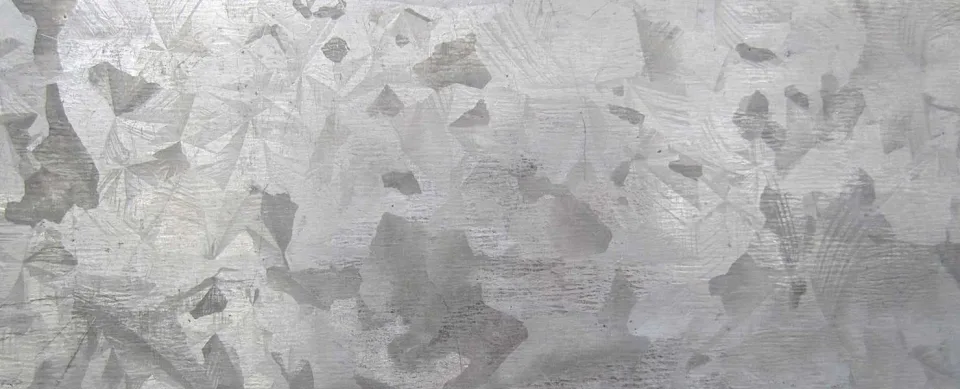
The role of the zinc layer
A galvanized coating protects iron or steel with a zinc-based layer. In hot-dip galvanizing, that layer forms when prepared material enters molten zinc. Zinc acts as a barrier limiting direct exposure of steel to the environment. Under suitable conditions it also corrodes preferentially to steel, contributing electrochemical protection; this does not imply unlimited tolerance of damage.
Appearance and performance are different
A shiny or matte finish alone does not establish quality. Material properties and process conditions can produce variations in surface tone. Assessment should consider coating thickness, continuity and service conditions alongside appearance. For visible architectural surfaces, specifying aesthetic expectations at quotation stage helps avoid conflicting interpretations during acceptance.
What information should a coating enquiry include?
Steel grade, section thickness, component geometry and exposure environment are essential information. Mention any painting, welding or other work planned after galvanizing. Rather than requesting a generic micron value, share the project specification and acceptance criteria with the technical team. This allows the coating to be assessed as part of fabrication and assembly planning.
Making a coating requirement specific
Consider a steel platform intended for outdoor use. A request for a galvanized coating alone does not explain how steps, structural members and connections will be prepared. Drawings should identify the parts to coat, the assembly stage and details that may retain water. Assess the coating’s implications for assembly holes and contact surfaces too. This connects the protection requirement to actual components. Using the same technical file for quotation and acceptance reduces differences in expectations between manufacturer and project owner.