
 EN
EN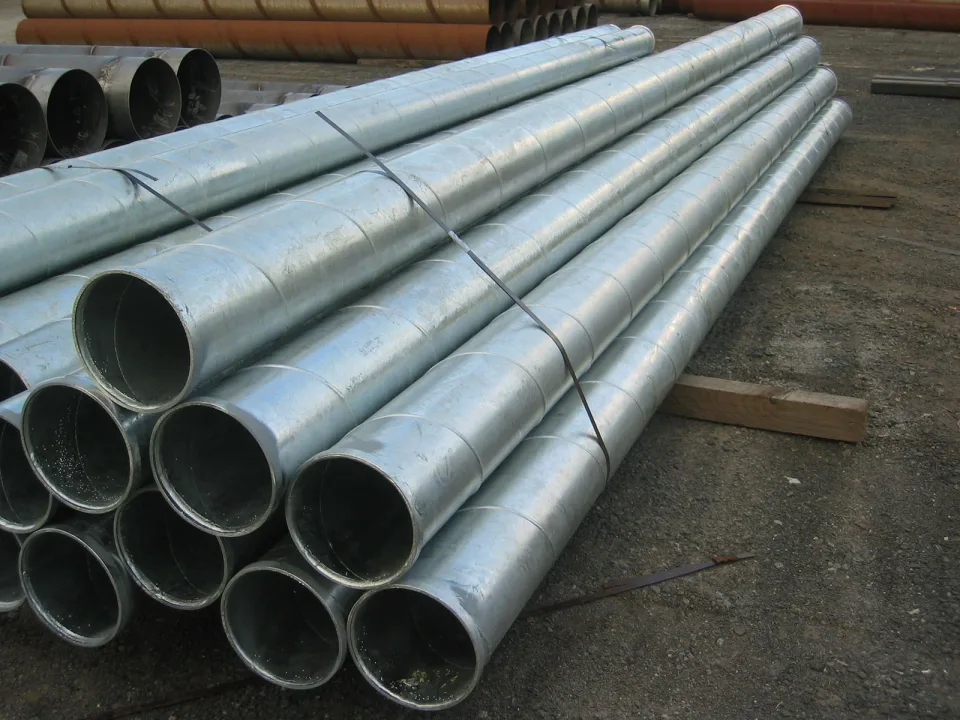
Start with service conditions
Power and lighting poles operate in different environments and mounting arrangements. A coating enquiry should identify pole type, cross-section and location. Report marine influence, persistent moisture or ground contact where relevant. Structural capacity, electrical requirements and project standards remain separate specialist matters; coating selection does not replace them.
Consider internal and external surfaces
For tubes and hollow sections, assess access for preparation liquids and zinc during design. Show venting, drainage, attachments and connection plates together in drawings. A coated exterior does not prove that internal voids were designed appropriately. Review before fabrication is particularly important for complex connections.
Order and delivery information
The component list should include pole identifiers, quantities, weights and drawing revisions. Clarify connection-component scope and special finish expectations. At delivery, review identification, coating condition and inspection documents together. Galmetsan’s tubular pole and energy application pages can help identify the relevant product group; confirm the precise scope through technical discussion.
Matching poles and connection components
Pole bodies, base plates, connectors and other parts may appear on separate lists within one shipment. Identify which component belongs to which pole when defining the order. These relationships assist review of connections and tolerances after coating. Missing identifiers can lead to similar parts being confused on site. Mark special appearance requirements or functional areas requiring particular treatment in drawings and discuss them with the plant. Such details turn a general pole-galvanizing request into a workable scope.