
 EN
EN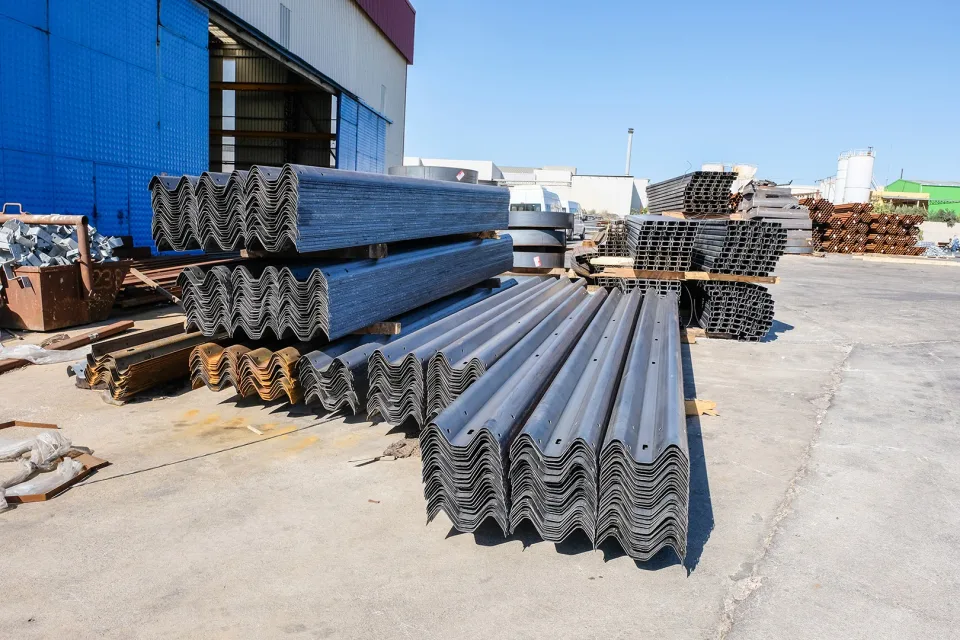
What does white staining indicate?
White products on galvanized steel are often associated with damp storage conditions. Newly coated surfaces stacked wet with restricted ventilation can be particularly susceptible. The apparent area of staining does not by itself establish the remaining protection. Assess its severity together with surface condition and coating thickness.
Prevent moisture from becoming trapped
Arrange stacks to allow air circulation and water drainage. Protection from rain should also account for condensation and moisture retained inside covers. Storage after delivery is as relevant as packing at the galvanizing plant. For material awaiting installation, establish supports, cover arrangements and inspection routines in advance.
If staining is observed
Photograph the staining, record storage conditions and identify the components for inspection. Obtain technical advice before choosing a cleaning or repair method. Uncontrolled abrasive or chemical treatment can affect sound coating as well. Acceptance should be based on project requirements and inspection findings rather than white appearance alone.
Distinguishing staining from delivery damage
White staining may be observed alongside scratches or impact marks at delivery. These observations should not automatically be assigned the same cause. Take both close-up and whole-component photographs, and record whether the affected surface contacted another part. Wet packaging and storage conditions can inform the assessment. Technical review considers the extent of staining alongside coating condition. Sharing observations systematically is more useful than assigning a definite cause or remaining lifespan without knowing the handling history.